Journal
After Birth, Still Becoming
Where lived experience, integrative counselling and trauma-sensitive yoga intertwine, offering gentle notes and self-reflections on pregnancy & birth; healing after birth; held within capacity; motherhood.
A Note of Care
These reflections are written with tenderness.
Some of what lives in here may touch tender places—memories, sensations, or feelings that ask to be met slowly.
You are invited to move at your own pace. You are always in choice, and in control of the depth and rhythm of your engagement.
There is no expectation to stay with something that feels like too much. At any point, you may choose to pause—to orient to your surroundings, to move in a way that supports you, to feel your feet on the ground, or to place a hand where you feel most held.
This space is not here to explain you or fix you.
It exists to offer companionship—to sit beside what is already here, and to offer language when words may not yet have arrived.
I write these pieces so others might hear me.
But just as much, I write so I can hear myself.
This is how I make meaning—slowly, imperfectly, in conversation with the body, with motherhood, with becoming.
This blog is a companion, not a substitute for personalised care. Reaching for support beyond these pages—through trusted people, community, or a qualified health professional—can also be part of caring for yourself.
If you are here, you are not alone.
Take what feels supportive. Leave what doesn’t.
May these words meet you gently.
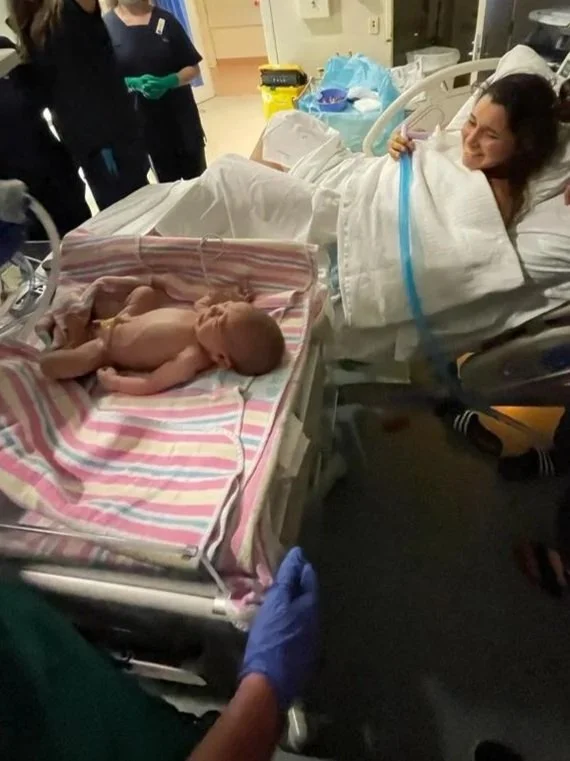
The cost of birth trauma ripples through mothers, babies, partners, families and communities. It shapes confidence, self-worth, attachment, future pregnancies and the way women come to know themselves.
We have become far too comfortable normalising the aftermath.
Normalising women having to fight for informed consent.
Normalising the overriding of women's voices.
Normalising injuries that deserve prevention.
Normalising mothers carrying their birth stories in silence because they fear they will be dismissed or misunderstood.
Women deserve more than surviving birth.
They deserve care that protects both safety and integrity.
Childhood is a territory that stays with us for life.
It’s where I first learned how to survive, where I came to know what felt safe (and what didn’t).
And now, in motherhood, I notice how those early imprints still move through me— but also how there’s space to slowly expand, to grow my capacity, to meet things with a little more steadiness than before.
A gentle reflection for birth workers on power, agency, and safety in birth care — inviting a trauma-informed, with-woman approach that honours both the woman’s and the caregiver’s capacity.
Agency is not loud.
It is not domination.
It is not resilience performed for others.
Agency, in its truest form, is the quiet return of choice.
Reflection on agency and wholeness.
When our children are unwell, the body can respond with urgency, fear, and deep care all at once — without asking permission, without explanation.
If you recognise yourself here — tight, tearful, unable to rest — please know this: Your body is responding to love, responsibility, and memory intertwined.
A gentle reflection on strength and softness — sthira and sukha — and how their balance creates safety in the body.
Across pregnancy, labour & birth, and postpartum, this piece invites listening over pushing, pacing over rushing, and softening as a wise and necessary part of healing.
Some births leave marks you cannot see. Birth is not only remembered as a story — it is remembered by the body. This essay gently explores how safety, vulnerability, and nervous system responses shape the imprint of birth, even when everything appeared to go well.
A personal, trauma-informed reflection on why Held Within Capacity was created — a living framework for the journey of becoming, rooted in safety, attunement, and respect for women’s capacity.
Life and death walked side by side.
And as in birth, healing revealed itself as a dance - between roots and wings, between earth and heaven.
Some stories take time to be written.
Not because the memory is unclear — but because the heart needs gentleness before it can return.
This is one of those stories.