Not All Wounds Are Visible
A gentle note of care before you read.
If you are pregnant, or if birth feels tender or close to the surface right now, you might like to notice what feels supportive for you today. You may choose to read now, come back another time, or simply leave this piece for another season. Trust your body.
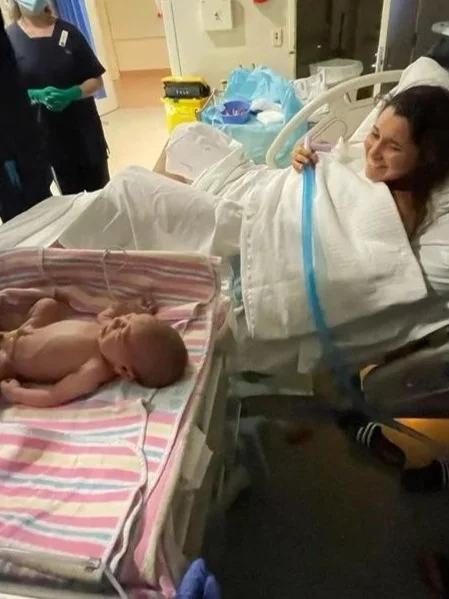
This week is Birth Trauma Awareness Week.
I've been thinking a lot about Kai's birth.
It still brings me to tears….
Not because I'm stuck there, or because it defines my experience of motherhood, but because birth is no small thing. It is one of those moments in life that changes us. It reaches into our bodies, our relationships, our history and adaptations, our sense of self, and the way we come to know ourselves as mothers.
Kai's birth has become one of the places where I continue to meet questions about motherhood, about worth, about trust, and about the systems that are meant to care for women.
I grew up in Brazil, where birth is still deeply medicalised.
The stories I knew about birth were surrounded by fear. Experiences that were medicalised, intervened in, and managed by a doctor. Today, around 57% of births are by caesarean section nationally, and in the private sector, that number exceeds 80%.
Choosing to plan a homebirth in Australia was never a decision I took lightly.
It required months of reading, questioning, conversations, reflection and courage. It asked me to trust my body in a culture that had taught me, and so many women, not to.
After almost three days in labour, I made the decision to transfer to hospital because I was profoundly dehydrated and exhausted.
That decision was mine….It was a continuation of caring for myself and my baby.
Once I received fluids, my body found its rhythm again and Kai was eventually born.
There are many parts of his birth that I feel incredibly proud of. And there are also parts that I continue to grieve.
I remember the fear-based language.
The constant feeling that we needed to justify our decisions, our no.
The sense that we had to protect the integrity of my body, my voice and our choices in a moment that called for trust, care and surrender.
No woman should have to fight for her integrity while bringing life into the world.
After Kai was born, he had a slow transition into breathing.
Everything happened very quickly. Cord cut. A room filled with urgency.
He was taken to intensive care and later transferred to another hospital. Some of those hours are blurred in my memory now, but one feeling remains crystal clear.
I became a mother while my arms were empty.
Kai was born just after 7 p.m. He was transferred to another hospital without me later that night.
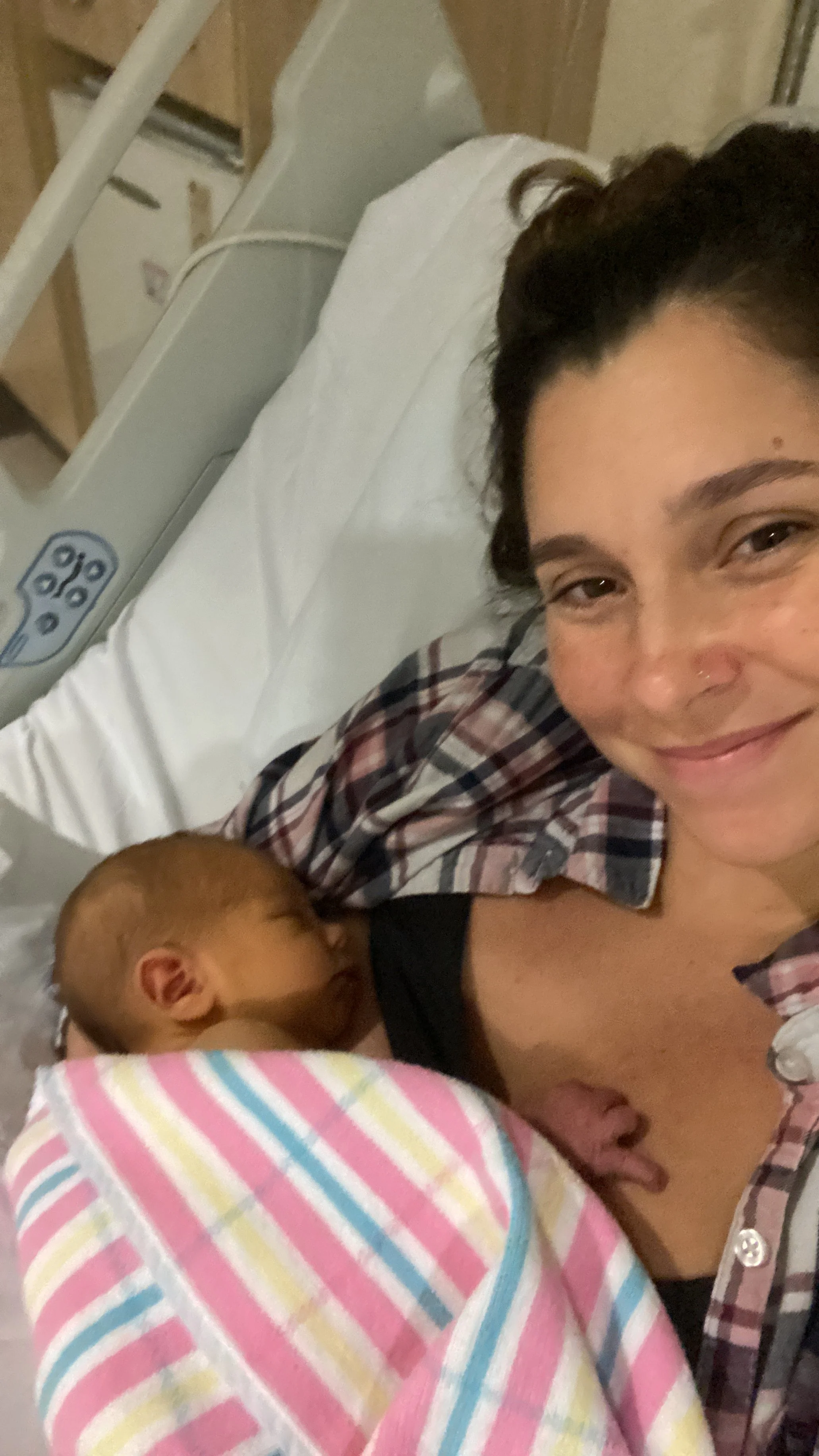
He came back to me the following afternoon.
Those hours were a mixture of deep exhaustion after three days without sleep, tears, longing, hope and fear.
Thankfully, he returned healthy. Breastfeeding came relatively easily.
Today he is a thriving little boy with a curious mind, a generous heart, a sensitive soul, and a wild little monkey.
I will always be grateful for that.
And still...
Our beginning was not the gentle, warm, uninterrupted beginning I had intended.
That longing….to simply hold my baby after birth….lived in my body for a long time.
Looking back now, I can also see that birth was only one part of the story.
There was no postpartum planning.
No village around us.
My husband returned to work within days.
I was navigating the enormous transition into motherhood while carrying anxiety I didn't yet understand.
Hypervigilance became woven into my relationship with Kai.
His breathing.
His sleep.
Every cry.
Every mild illness.
My body had learned that he could disappear.
And bodies remember.
Again and again I heard the same sentence.: "At least he's healthy."; “You should have been in hospital all along; this would not have happened”…
I know some those words came from care. People wanted to comfort me.
And some others, placed so much of the responsibility and outcome of his birth entirely on me…
And in between all that, something inside me quietly wondered... Am I still allowed to grieve?
It has taken me a couple of years and the loss of my mother to understand that gratitude and grief are not opposites.
I can be profoundly grateful that my son is alive and healthy.
I can also grieve the fear, the separation, the language that surrounded us, and the way my body carried those experiences into motherhood.
Both things are true.
Birth trauma is often spoken about as though it begins and ends in the birth room.
But many of its deepest consequences emerge afterwards.
In the anxiety that never quite settles.
In the mistrust that develops towards systems that were meant to protect us.
In the relationship with our bodies.
In our confidence as mothers.
In future pregnancies.
In the stories we stop telling because we wonder if they are "bad enough" to deserve compassion.
Not all injuries are visible.
Some are physical.
Some live in the nervous system.
Some reshape the way we move through the world.
This is why Birth Trauma Awareness Week matters.
Not because birth should frighten women.
Not because birth is inherently traumatic.
But because women deserve better.
For too long we have normalised women fighting for informed consent.
We have normalised overriding women's voices.
We have normalised fear-based language.
We have normalised injuries that deserve prevention.
We have normalised women believing they should simply be grateful to have a healthy baby, while carrying experiences that continue to shape their lives years later.
The cost of birth trauma is too high.
It ripples through mothers, babies, partners, families and communities..
The systems designed to hold women can sometimes become the very places where their integrity is undermined.
Birth asks women to do something extraordinary.
The systems surrounding birth should rise to meet that courage with humanity, respect, informed consent and compassionate care.
Women deserve more than surviving birth.
They deserve to leave birth with both safety and integrity intact.
I share this story not because it is unique.
I share it because I know so many women quietly carry stories like this.
Some have never spoken them aloud.
Some still wonder whether what happened to them "counts."
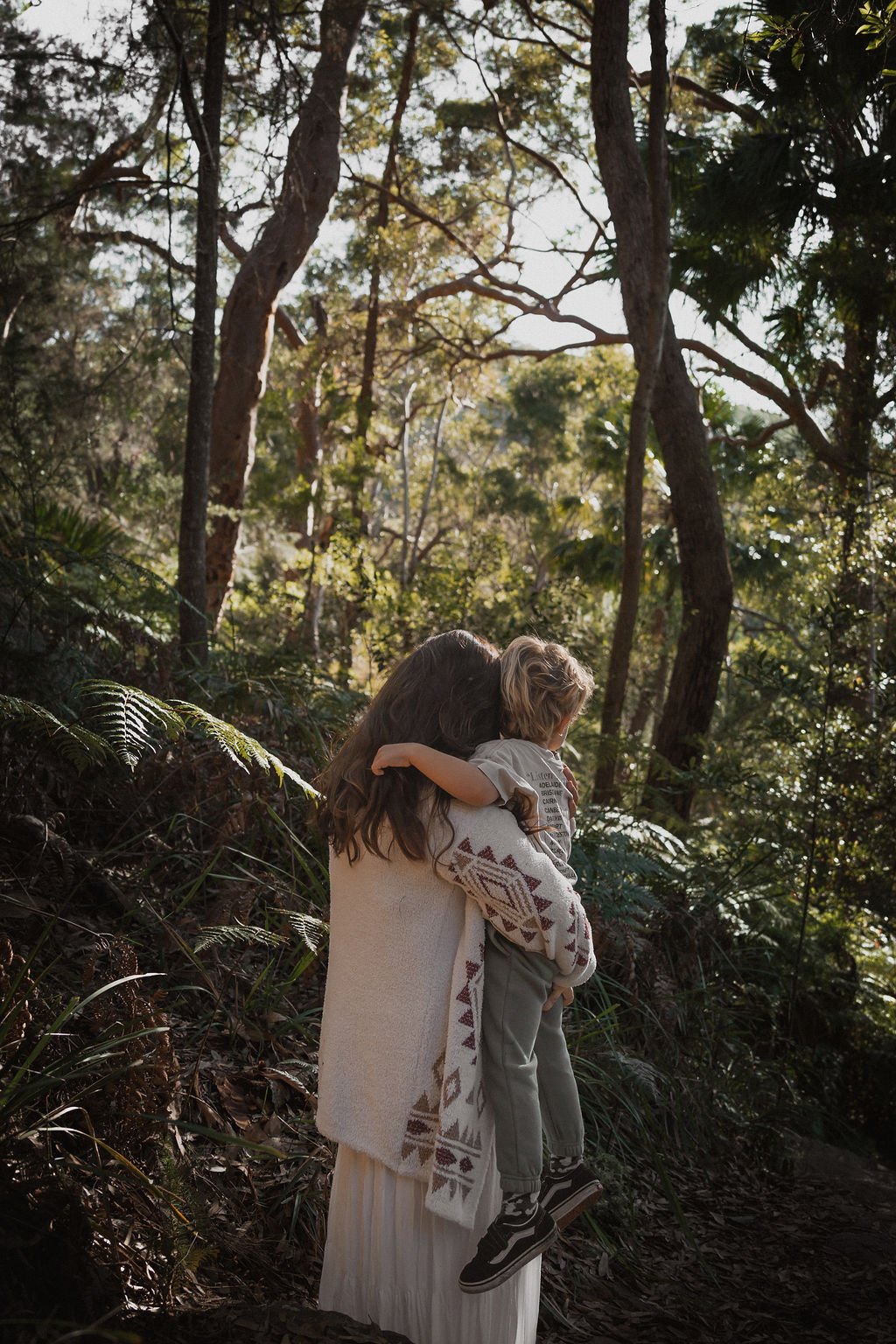
Your worth as a woman and as a mother is not measured by the outcome of your birth.
You are not more worthy because your birth unfolded smoothly or the way you brought your baby earthside.
You are not less worthy because birth took a turn, and the outcome was different than you intended
Your story matters.
Your experience matters.
You matter.