Held Within Capacity
How This Work Came to Be
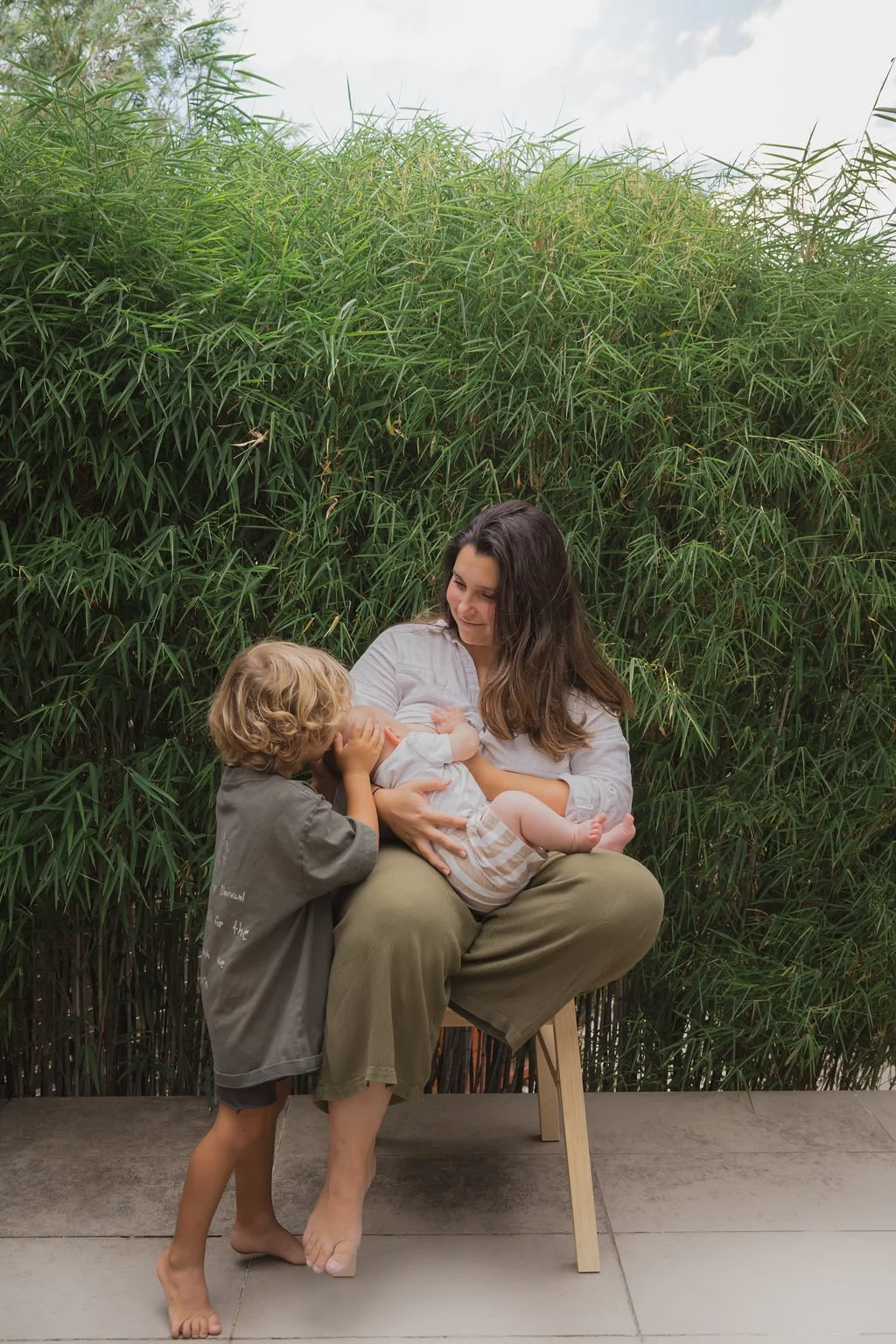
This work did not arrive fully formed. It emerged slowly. Through my body, through motherhood, through sitting beside pain that could not be rushed. It came from noticing what wasn’t helping.
After the birth of my children, I felt how easily care can move too fast. How often healing is framed as something we must do, fix, or process — even when the nervous system is still holding its breath. How frequently safety is assumed, rather than created.
I have walked the rushed path….
Where insight arrived before safety.
Where meaning was sought before the body felt held.
Where well-intended care still asked too much, too soon.
My system learned something important there: healing cannot be forced — not after birth, not after trauma, not after survival.
It must be held.
Why Safety Comes First
Held Within Capacity is grounded in a simple knowing: before healing can unfold, there must be enough safety.
Not perfect safety. Not constant regulation.
Just enough.
Enough choice.
Enough consent.
Enough orientation to the present moment.
Enough pacing to allow the body to soften — even slightly.
When safety is missing, the nervous system stays busy protecting, surviving. And a system in protection cannot integrate, reflect, or expand.
This is not resistance.
It is wisdom.
“The experience of safety is the beginning of healing. Safety is not the absence of threat... it is the presence of connection”
A Living Framework
Held Within Capacity is not a step-by-step method. It is a living framework — one that honours fluctuation, rhythm, and season.
Capacity is not fixed.
Some moments allow for movement, expression, insight. Others call for stillness, protection, and rest.
Both are adaptive. Both belong.
Healing here is understood as cyclical, relational, and deeply human — not linear, not performative, not something to be achieved.
The Pathways
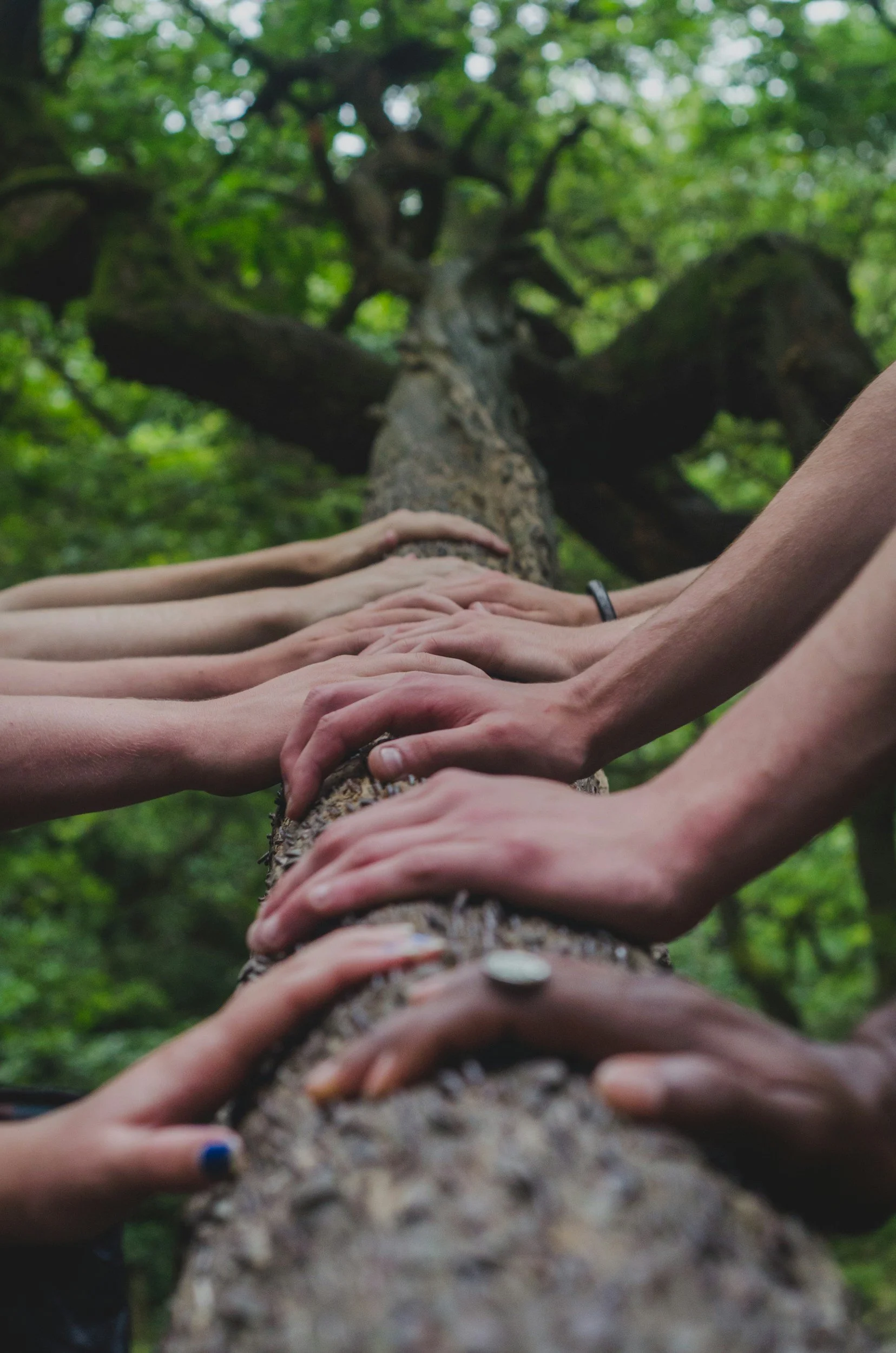
From a foundation of safety, containment & belonging, healing may move through many doorways. Here live the quiet conditions that allow the nervous system to soften and the whole self to arrive: co-regulation, community, presence, attachment, and the knowing that all of you is welcome here.
From this ground, the pillars of the work grow as doorways:
Embodiment invites you back into your body through trauma-sensitive, choice-based practice — learning again how to listen, feel, and respond with care.
Nervous System Awareness & Care offers language and understanding for your inner rhythms, helping you recognise your own capacity, your edges, and your need for rest and resourcing.
Relational & Social Holding reminds us that none of this happens in isolation — our relationships, our birth systems, our cultures and communities all shape how we heal.
Meaning-Making creates space for story, reflection, and even the parts of ourselves we once hid, so experience can be integrated rather than carried alone.
When these elements are present and tended, something begins to happen naturally — not as a goal to reach, but as a living response. Moments of Expansion - Insight. Expression. Connection. Integration.
They come and go in their own time, as healing always does — cyclical, relational, and deeply human.
The Meaning of the Tree
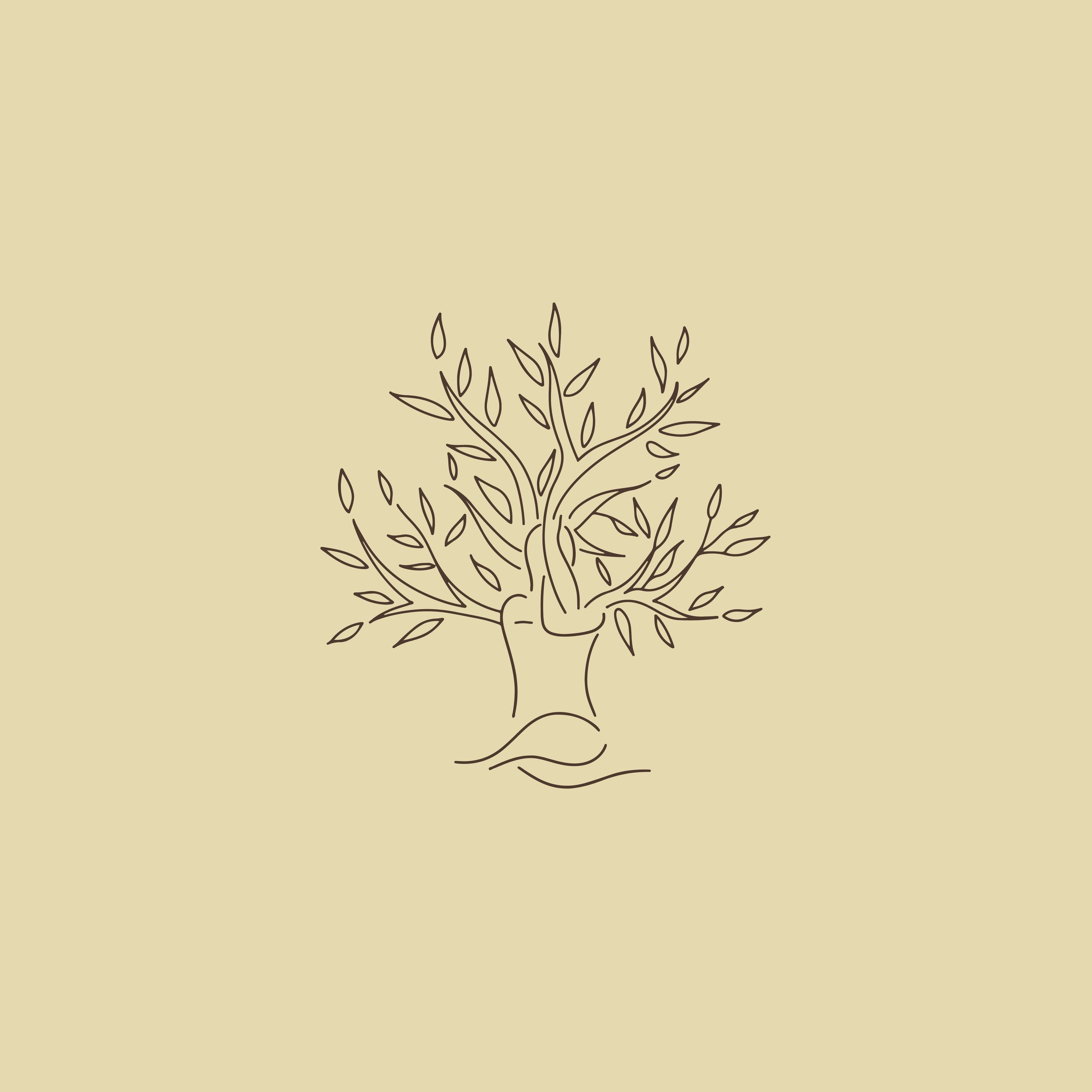
The symbol that holds this framework is both a tree and a woman.
I chose this image because women are not linear beings. We are cyclical.
We move in rhythms of expansion and contraction, emergence and rest — much like the natural world.
A tree does not grow all at once.
It responds.
To seasons. To weather. To nourishment. To threat.
It knows when to reach and when to conserve.
It does not apologise for slowing. It does not force new leaves in winter.
In the same way, a woman’s body carries an ancient intelligence. After birth, after trauma, after survival, that intelligence often speaks through sensation, emotion, fatigue, vigilance, or withdrawal — not because something is wrong, but because attunement is needed.
The trunk of the tree represents safety and containment — the steady centre that allows a woman to remain present in her body. Without this, growth becomes overwhelming rather than nourishing.
The branches reflect expression, story, relationship, and identity — each one shaped by lived experience, each growing in its own direction. No two branches are the same, and none need to grow at the same pace.
The leaves are moments of expansion — insight, pleasure, connection, relief. They arrive when conditions are right, and they fall when the system needs rest. A woman is not failing when her leaves fall. She is responding to her season.
And beneath it all are the roots — often unseen, yet essential. They represent connection, attunement, co-regulation, community, culture, and lineage. Much of what supports a woman’s healing lives here, below the surface, quiet and relational.
This symbol matters because it mirrors what so many women feel but are rarely told: that healing is not about returning to who you were before, but about growing into who you are now — in rhythm with your body, in relationship with others, and in attunement with the season you are in.
Held Within Capacity honours this wisdom. It trusts that when a woman is met with safety, presence, and respect, her system knows how to grow.
Why This Work Matters
This work matters because I have felt, in my own body, what happens when care moves too fast.
After the birth of my children, I noticed how easily women are expected to carry on — to be grateful, resilient, functional — even when something inside is still holding its breath. I felt how the body remembers what the mind tries to move past.
I have sat with the quiet aftermath of birth.
With sensations that didn’t have words.
With emotions that arrived without warning.
With the sense that something important had happened — not just to my body, but to my nervous system.
And as I listened more closely, I began to see how often this is not about individual failure, but about the systems that hold women.
Systems that prioritise efficiency over attunement. That measure success in outcomes, not in felt safety. That move on quickly, leaving women to carry what could not be metabolised in the moment.
When mothers are not held, they hold everything themselves. And that weight does not disappear — it moves into our homes, our relationships, our babies.
This is where this work began for me. Not as a method, but as a question: What would it look like if we cared for women in ways that truly respected their capacity?
Held Within Capacity is my response to that question.
It is here to support mothers in softening urgency and trusting their body’s timing. To remind women that slowing down is not failure — it is often the first act of healing.
And it is also here for birth workers and clinicians.
I see the care you offer. I see the tension you hold between presence and protocols, between what you know in your body and what the system asks of you.
This work is an invitation to practice in ways that are ethical, sustainable, and deeply human — to bring attunement where disconnection has been normalised, to create safety in moments that shape a lifetime.
Because when we care for mothers with reverence and respect, we care for the nervous systems of our babies. And when we support birth workers to work within capacity, we begin to change the systems that shape early life.
This is not loud work. It will not be rushed.
But it is rooted in something I believe deeply: that when women are held well, generations are changed.