
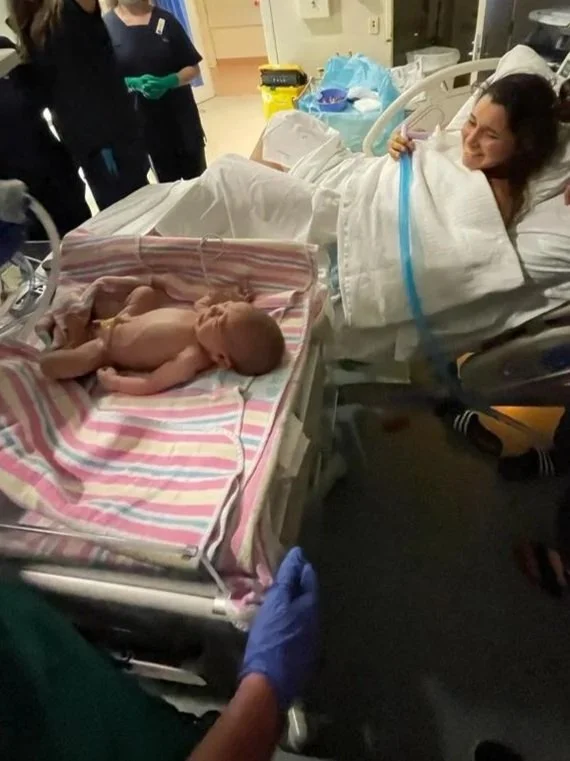
Not All Wounds Are Visible
The cost of birth trauma ripples through mothers, babies, partners, families and communities. It shapes confidence, self-worth, attachment, future pregnancies and the way women come to know themselves.
We have become far too comfortable normalising the aftermath.
Normalising women having to fight for informed consent.
Normalising the overriding of women's voices.
Normalising injuries that deserve prevention.
Normalising mothers carrying their birth stories in silence because they fear they will be dismissed or misunderstood.
Women deserve more than surviving birth.
They deserve care that protects both safety and integrity.
The Survival I Learned — and the Meaning I’m Still Making
Childhood is a territory that stays with us for life.
It’s where I first learned how to survive, where I came to know what felt safe (and what didn’t).
And now, in motherhood, I notice how those early imprints still move through me— but also how there’s space to slowly expand, to grow my capacity, to meet things with a little more steadiness than before.

The power that was never taken — only quieted
Agency is not loud.
It is not domination.
It is not resilience performed for others.
Agency, in its truest form, is the quiet return of choice.
Reflection on agency and wholeness.
When My Child Is Unwell, My Body Knows
When our children are unwell, the body can respond with urgency, fear, and deep care all at once — without asking permission, without explanation.
If you recognise yourself here — tight, tearful, unable to rest — please know this: Your body is responding to love, responsibility, and memory intertwined.
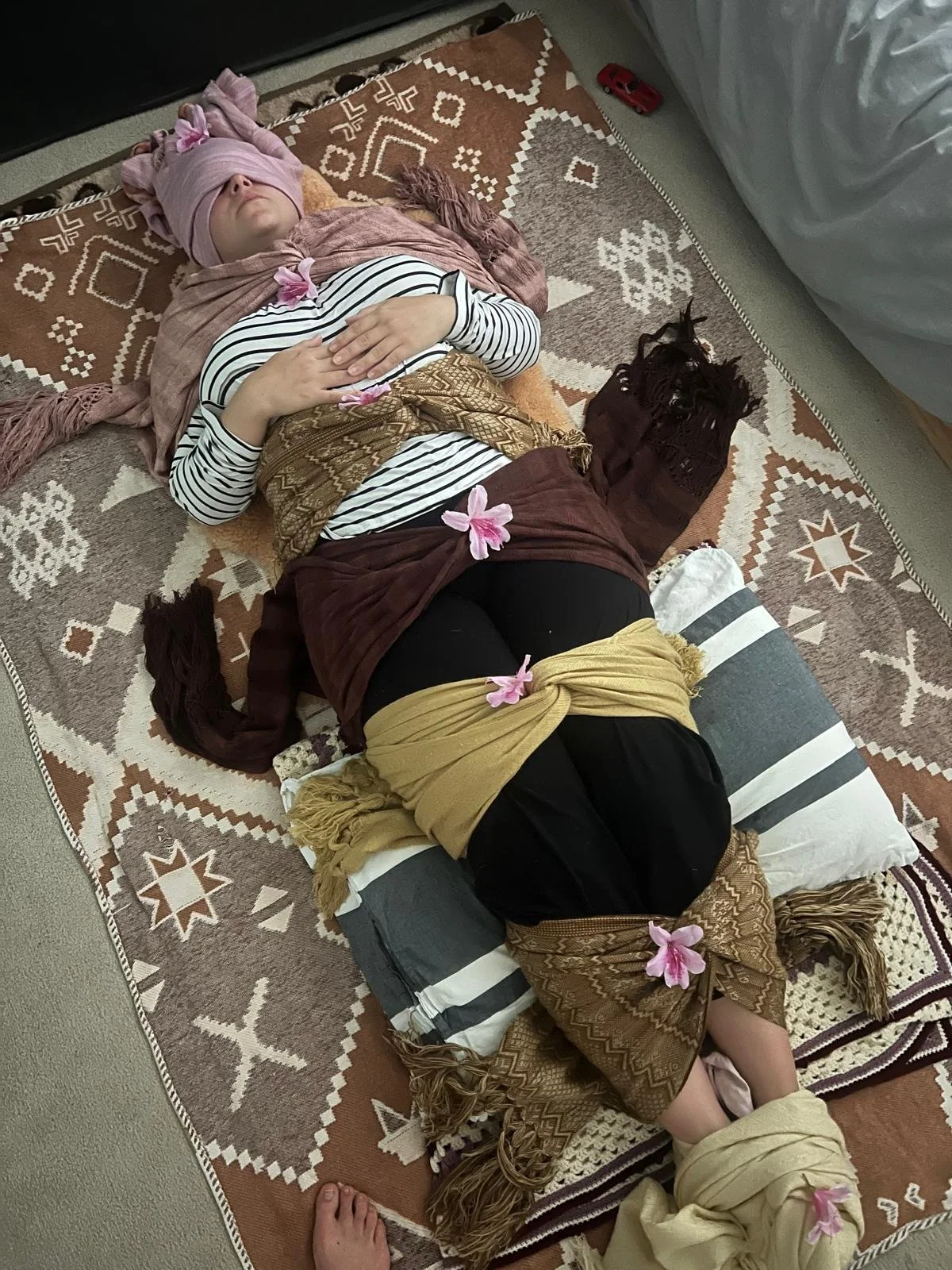
Birth Is Remembered by the Body
Some births leave marks you cannot see. Birth is not only remembered as a story — it is remembered by the body. This essay gently explores how safety, vulnerability, and nervous system responses shape the imprint of birth, even when everything appeared to go well.